A Shepherd from Chicago to Rome
On the afternoon of May 8, 2025, white smoke rose above the Sistine Chapel. The crowd gathered in St. Peter's Square heard those ancient words — Habemus Papam — and soon learned that Cardinal Robert Francis Prevost of Chicago, Illinois, had been elected the 267th Bishop of Rome, taking the name Leo XIV.
In doing so, he became the first American-born pope in the two-thousand-year history of the Catholic Church — a milestone no less remarkable for the humility of the man who achieved it.
Yet Robert Prevost's story is not simply one of American achievement. It is a story of decades spent in service: as a missionary in Peru, as a canon lawyer, as a leader of the global Augustinian order, and finally as a cardinal trusted by Pope Francis to guide the appointment of bishops worldwide.
He chose the name Leo to echo Leo XIII — the 19th-century pope who championed workers' rights during the first Industrial Revolution. Leo XIV embraces that same spirit for our era, navigating the challenges of artificial intelligence, global inequality, and a Church in need of renewal.
Read His Full Biography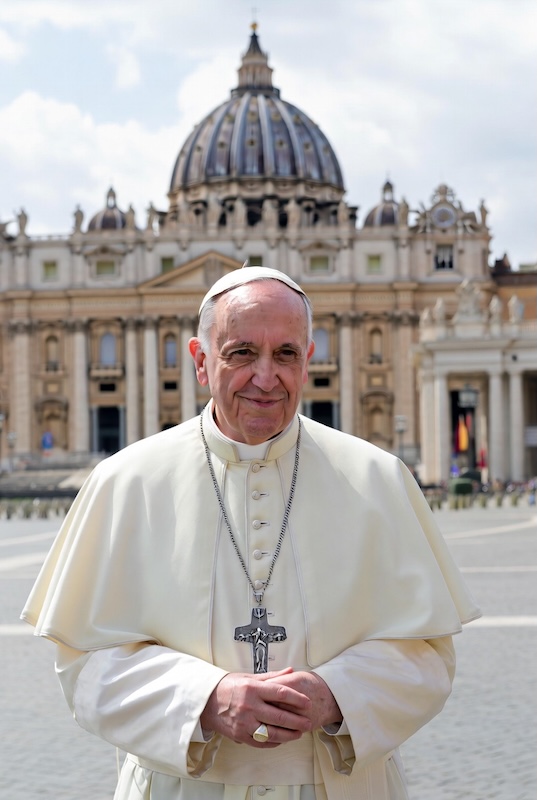
Pope Leo XIV — Robert Francis Prevost © Vatican Media